
Introduction
The Indian monsoon brings life, rejuvenating agriculture and cooling the subcontinent after the searing heat of summer. However, it also brings a predictable, formidable challenge to public health. The Monsoon Outbreak 2026 is characterized by a rapid surge in vector-borne, waterborne, and zoonotic diseases. Following a year of historic climate anomalies, including severe pre-monsoon heatwaves across South Asia, the ecological conditions for infectious disease transmission are highly volatile.
For doctors, public health officials, and families alike, navigating this season requires vigilance, evidence-based knowledge, and prompt medical intervention. The mingling of heavy rainfall, high humidity, and stagnant water creates an explosive breeding ground for pathogens. At BioXPLO, we aim to provide you with a medically accurate, simplified, and comprehensive guide to surviving and managing the infectious diseases of the 2026 monsoon season.
What Is the Monsoon Outbreak 2026?
The Monsoon Outbreak 2026 refers to the seasonal epidemiological spike in infectious diseases that occurs concurrently with the heavy rains in India and surrounding regions. Typically spanning from June to September, this period sees hospitals and clinics flooded with patients suffering from acute febrile illnesses.
The outbreak encompasses a wide spectrum of illnesses, primarily categorized by their mode of transmission:
- Vector-borne: Transmitted by mosquitoes (Dengue, Malaria, Chikungunya).
- Waterborne: Transmitted via contaminated water or food (Typhoid, Cholera, Hepatitis A).
- Zoonotic/Environmental: Transmitted from animals or contaminated soil/water to humans (Leptospirosis).
BioXPLO Featured Snippet:
What are the most common diseases during the monsoon?
The most common infectious diseases during the monsoon season include Dengue fever, Malaria, Chikungunya, Typhoid, Cholera, and Leptospirosis. These spread rapidly due to stagnant rainwater creating mosquito breeding sites and floodwaters contaminating municipal drinking water supplies. Early detection and targeted prevention are critical to managing these outbreaks.
Current Situation
As of mid-2026, health authorities in India, including the Ministry of Health and Family Welfare and the Indian Council of Medical Research (ICMR), are on high alert. Recent high-level review meetings chaired by Union Health Minister J.P. Nadda have underscored the necessity of robust disease surveillance, vector control, and public awareness campaigns.
Urban centers like Bengaluru, Mumbai, and Delhi are actively tracking fever risks. Current indices show a moderate to high risk for dengue fever, driven by optimal breeding temperatures (around 23°C to 29°C) and high humidity (above 80%). Hospitals are ensuring that essential supplies—such as intravenous fluids, diagnostic kits, and blood components—are adequately stocked to handle the rising caseloads without interruption to patient care.
Major Diseases Spreading
Understanding the specific pathology of each disease is vital for early recognition and treatment.
Dengue
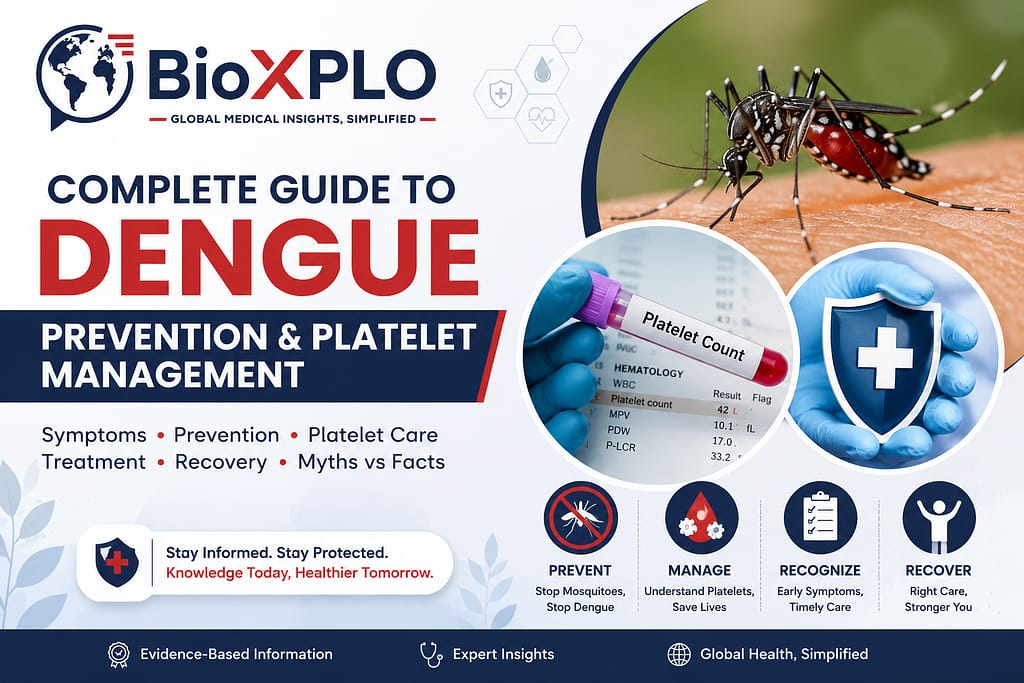
Caused by the Dengue virus (DENV 1-4) and transmitted primarily by the female Aedes aegypti mosquito, dengue is the most prominent threat. This mosquito bites predominantly during the daytime and breeds in clean, stagnant water inside or near homes.
- Clinical Presentation: Sudden high fever (up to 104°F), severe retro-orbital headache, debilitating muscle and joint pain (“breakbone fever”), and a maculopapular rash.
- Severe Risk: Can progress to Dengue Hemorrhagic Fever (DHF) or Dengue Shock Syndrome (DSS), marked by plasma leakage, severe bleeding, and dangerously low platelet counts (thrombocytopenia).
Malaria
Transmitted by the Anopheles mosquito, which breeds in dirty, stagnant water and bites primarily at night. In India, Plasmodium vivax (causing recurrent benign malaria) and Plasmodium falciparum (causing severe, potentially fatal malaria) are the main culprits.
- Clinical Presentation: Characterized by a distinct paroxysmal cycle: shaking chills (cold stage), high fever (hot stage), and massive sweating as the fever breaks.
Chikungunya
Also transmitted by the Aedes mosquito, the Chikungunya virus causes an illness very similar to dengue but with distinct musculoskeletal impacts.
- Clinical Presentation: Fever accompanied by intense, often incapacitating polyarthralgia (joint pain) that can persist for months or even years after the initial infection clears.
Leptospirosis
A bacterial disease caused by Leptospira interrogans. It is highly prevalent in flood-prone cities like Mumbai. Rodents are the primary reservoir, excreting the bacteria in their urine, which then contaminates floodwaters.
- Clinical Presentation: High fever, severe calf muscle pain, conjunctival suffusion (red eyes without discharge). If untreated, it can escalate to Weil’s disease, causing profound jaundice, renal failure, and pulmonary hemorrhage.
Waterborne Diseases
With flooding comes the mixture of sewage and drinking water.
- Typhoid Fever: Caused by Salmonella Typhi. Presents with a prolonged, step-ladder fever, abdominal pain, and gastrointestinal disturbances.
- Hepatitis A & E: Viral infections targeting the liver, causing jaundice, fatigue, and dark urine.
- Cholera & Acute Diarrhea: Caused by Vibrio cholerae and various enteroviruses/bacteria, leading to rapid, severe dehydration.
Influenza
The high humidity and fluctuating temperatures also facilitate the spread of respiratory viruses, leading to spikes in seasonal influenza (H1N1, H3N2), presenting with cough, sore throat, and fever.
COVID-19 Trends (If Applicable)
While no longer the primary pandemic threat it once was, localized clusters of COVID-19 variants still emerge. Testing for SARS-CoV-2 remains part of the differential diagnosis for acute respiratory presentations during the monsoon.
Why Monsoon Increases Disease Risk
The correlation between the monsoon and disease outbreaks is a matter of simple biology and environmental science:
- Vector Breeding: Rainfall leaves behind thousands of micro-pools (in discarded tires, flower pots, coconut shells, and open drains). These are nurseries for mosquitoes.
- Water Contamination: Floods overwhelm drainage systems, pushing raw sewage into underground water pipes and open water bodies.
- Humidity: High relative humidity prevents droplets from evaporating quickly, extending the survival of respiratory viruses in the air. It also extends the lifespan of adult mosquitoes.
- Dampness: Fungal spores thrive in damp walls and poorly ventilated indoor spaces, exacerbating asthma and causing skin infections like ringworm.
Climate Change and Disease Spread
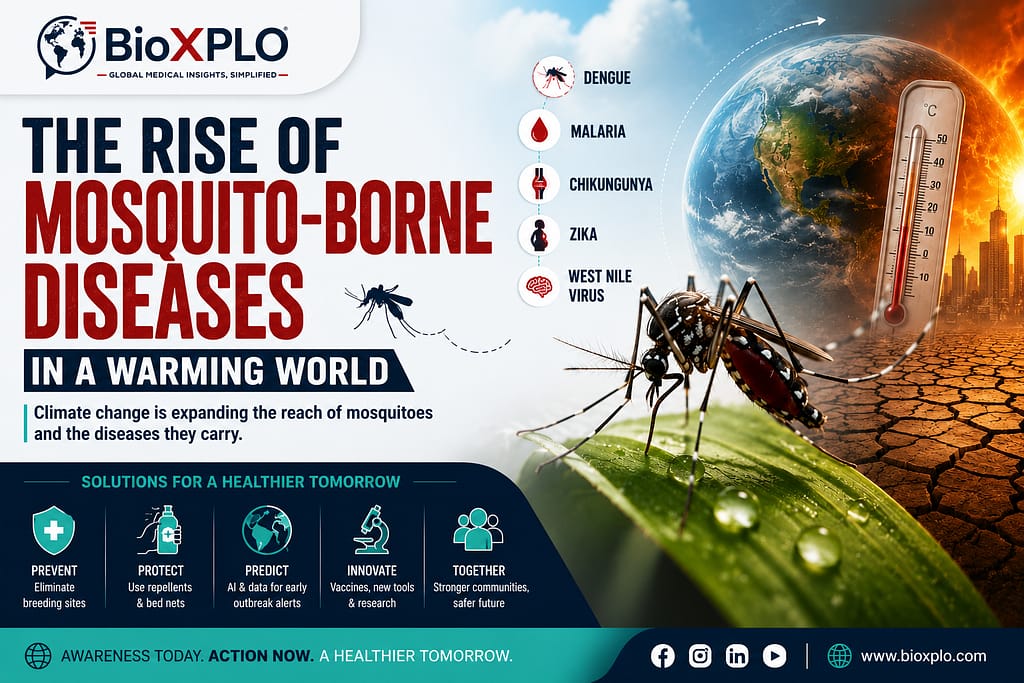
The 2026 monsoon cannot be discussed without addressing the impact of climate change. According to recent reports by the World Weather Attribution and the International Centre for Integrated Mountain Development (ICIMOD), South Asia is experiencing “multi-hazard” risks.
The pre-monsoon period in 2026 saw extreme heatwaves, made three times more likely by human-induced climate change. When these intense heatwaves are followed by delayed, highly erratic, and concentrated rainfall, the ecological balance is shattered. Warmer baseline temperatures accelerate the replication of viruses inside mosquitoes (shortening the extrinsic incubation period), meaning a mosquito becomes infectious faster after biting a sick person.
High-Risk Groups
While anyone can fall ill, certain populations require extra vigilance:
- Children under 5: Highly susceptible to rapid dehydration from diarrheal diseases and severe manifestations of dengue.
- The Elderly (65+): Weaker immune systems make them vulnerable to pneumonia and severe malaria.
- Pregnant Women: Face higher risks of complications from malaria and hepatitis E (which has a high mortality rate in pregnancy).
- Chronic Disease Patients: Those with diabetes, chronic kidney disease, or asthma face severe exacerbations. (e.g., Diabetic foot infections can worsen rapidly if exposed to dirty floodwater).
Symptoms to Watch For
Properly differentiating between these fevers is the first step in clinical management.
| Symptom | Dengue | Malaria | Typhoid | Leptospirosis |
| Fever Pattern | Sudden onset, high, continuous | Cyclical (chills, spike, sweats) | Gradual rise, step-ladder pattern | High, sudden |
| Pain | Severe joint/muscle, behind eyes | Generalized body ache, headache | Abdominal pain, mild headache | Severe calf and lower back pain |
| Specific Signs | Skin rash, bleeding gums/nose | Profuse sweating | Constipation/diarrhea, coated tongue | Red eyes (conjunctival suffusion) |
| Warning Signs | Severe abdominal pain, vomiting | Confusion, seizures | Bloody stool, severe weakness | Jaundice, reduced urine output |
🚨 Warning Signs Requiring IMMEDIATE Medical Care:
- Vomiting continuously for more than 24 hours.
- Bleeding from gums, nose, or blood in stool/vomit.
- Extreme lethargy, confusion, or inability to wake up.
- No urination for more than 8 hours (a sign of severe dehydration or kidney injury).
- Difficulty breathing or rapid breathing.
Diagnosis
Accurate and timely diagnosis, relying on validated laboratory tests rather than clinical guesswork, is critical.
- Dengue: The NS1 Antigen test is effective during the first 5 days of fever. After day 5, IgM/IgG MAC-ELISA antibody tests are required. Daily Complete Blood Counts (CBC) are essential to monitor dropping platelets and rising hematocrit.
- Malaria: Diagnosed via Peripheral Blood Smear (thick and thin films) and Rapid Diagnostic Tests (RDTs) for specific Plasmodium antigens.
- Typhoid: Blood cultures are the gold standard in the first week. The Widal test is often overused and less reliable in endemic areas.
- Leptospirosis: Diagnosed via specific IgM ELISA or PCR of blood/urine in the early stages.
Treatment Options
Expert Insight: “The greatest mistake we see during the monsoon is the indiscriminate use of antibiotics and painkillers. Dengue is a virus; antibiotics do nothing. Using NSAIDs like ibuprofen can trigger fatal bleeding in dengue patients.” – Dr. Rajesh Kumar, Infectious Disease Specialist.
- Dengue: Treatment is entirely supportive. Strict bed rest, aggressive oral or intravenous hydration using normal saline or Ringer’s lactate, and fever control using Paracetamol/Acetaminophen ONLY. Avoid NSAIDs entirely. Platelet transfusions are rarely indicated unless counts drop below 10,000-20,000/mcL with active clinical bleeding.
- Malaria: Treated with specific antimalarial drugs. P. falciparum requires Artemisinin-based Combination Therapy (ACT), while P. vivax is treated with Chloroquine followed by Primaquine (to clear liver stages and prevent relapse).
- Typhoid & Leptospirosis: Require targeted antibiotic therapy (e.g., Ceftriaxone or Azithromycin for typhoid; Doxycycline or Penicillin for leptospirosis).
- Waterborne Diseases: Mild to moderate cases require intense hydration with Oral Rehydration Solution (ORS). Zinc supplementation is recommended for children with diarrhea.
Prevention Measures
Prevention is always superior to treatment, especially in resource-limited settings.
Community Prevention Checklist
- [ ] Dry Day Practice: Dedicate one day a week to empty, scrub, and dry all water storage containers (coolers, buckets, birdbaths).
- [ ] Purify Water: Boil all drinking water for at least 1-2 minutes, or ensure RO/UV purifiers have had their pre-monsoon service.
- [ ] Food Safety: Consume only freshly cooked, hot food. Avoid street food, pre-cut fruits, and raw salads during the rainy season.
- [ ] Repellents: Use mosquito repellents containing DEET, Picaridin, or oil of lemon eucalyptus.
- [ ] Physical Barriers: Install window screens and use mosquito nets, especially for infants and pregnant women.
Myth vs Fact
- Myth: You should get a platelet transfusion as soon as your count drops below 1 lakh (100,000).
- Fact: Platelet counts fluctuate. Doctors look at the overall clinical picture, including bleeding manifestations and hematocrit (blood concentration), before ordering risky transfusions.
- Myth: You can’t get dengue if you stay indoors.
- Fact: The Aedes mosquito lives indoors and often hides under beds, in closets, and behind curtains.
Government Guidelines
The Ministry of Health and Family Welfare (MoHFW) and the ICMR have issued clear directives for 2026:
- Micro-Planning: District-level strategies must be activated for vector control, focusing on endemic high-risk zones.
- Hospital Readiness: Ensuring zero disruption in patient care with adequate stocking of essential drugs, IV fluids, and diagnostic reagents.
- Surveillance: Mandating the prompt reporting of vector-borne diseases to centralized health portals to identify outbreak clusters early.
- Antibiotic Stewardship: ICMR continues to stress rational antibiotic use to prevent the escalation of antimicrobial resistance (AMR), particularly regarding typhoid treatments.
WHO Recommendations
The World Health Organization (WHO) outlines specific global guidelines for monsoon-related outbreaks:
- Vector Control: WHO emphasizes Integrated Vector Management (IVM), combining chemical control (fogging/larvicides) with environmental management.
- Clinical Care: Recognizing early warning signs of severe dengue to prevent shock. Fluid resuscitation guidelines must be strictly adhered to in order to reduce case fatality rates to less than 1%.
- Vaccination: WHO recommends typhoid conjugate vaccines in endemic areas and highlights the careful, targeted deployment of newer dengue vaccines based on local seroprevalence data.
Public Health Preparedness
Tackling the monsoon outbreak requires a multisectoral approach. It is not just a medical issue; it is a civic one. Municipal corporations must ensure proper drainage clearance before the rains hit. Solid waste management must be prioritized so garbage doesn’t become a breeding site. Furthermore, widespread Information, Education, and Communication (IEC) campaigns are crucial to empower citizens to take charge of their immediate environments.
Frequently Asked Questions
1. Is it safe to eat street food during the monsoon?
No. The risk of waterborne and foodborne illnesses like typhoid, cholera, and hepatitis A is exceptionally high due to contaminated water and rapid bacterial growth in humid conditions.
2. How can I tell if my fever is Dengue or Malaria?
While both cause high fever, dengue typically presents with severe eye/joint pain and a rash, whereas malaria presents with a predictable cycle of severe chills followed by sweating. Only a laboratory blood test can definitively confirm the diagnosis.
3. What is the right diet for a typhoid patient?
A soft, bland, easily digestible diet is critical. Opt for boiled rice, moong dal khichdi, mashed potatoes, and clear soups. Strictly avoid spicy, fibrous, and raw foods, as the intestines are inflamed.
4. Why is my asthma worse during the monsoon?
High humidity promotes the rapid growth of indoor mold, fungi, and dust mites. The damp, heavy air can trigger airway spasms, leading to more frequent asthma attacks.
5. Can I use ibuprofen to bring down a high monsoon fever?
Absolutely not. If the fever is caused by dengue, ibuprofen and other NSAIDs can inhibit platelet function and severely increase the risk of internal bleeding. Always use paracetamol and consult a doctor.
6. What is Leptospirosis and how do you get it?
It is a bacterial infection caused by Leptospira. It spreads when water contaminated by the urine of infected animals (like rats or dogs) comes into contact with unhealed breaks in the skin, eyes, or mucous membranes. Wading in floodwater is the primary risk factor.
7. How long does the dengue virus stay in the body?
The virus usually remains in the blood for 2 to 7 days, which corresponds to the febrile (fever) phase. However, the critical phase (where complications arise) often occurs just as the fever drops.
8. Are water purifiers effective during the monsoon?
Yes, but they must be properly serviced. Reverse Osmosis (RO) and Ultraviolet (UV) purifiers are highly effective against bacteria and viruses, provided the filters have been changed according to the manufacturer’s schedule.
Conclusion
The Monsoon Outbreak 2026 presents a formidable challenge, amplified by shifting climate paradigms and urbanization. However, with heightened awareness, strict adherence to WHO and ICMR guidelines, and proactive community engagement, the morbidity and mortality associated with these seasonal diseases can be drastically reduced.
At BioXPLO, we urge healthcare professionals to remain vigilant for atypical presentations and emphasize the importance of early diagnosis. For the public, remember that your greatest weapon against monsoon diseases is prevention—eliminate standing water, drink purified water, and seek medical attention at the first sign of warning symptoms.
Stay safe, stay informed, and let’s navigate this monsoon season with health and resilience.
Disclaimer: This article is for informational purposes only and does not substitute professional medical advice, diagnosis, or treatment. Always seek the advice of your physician or other qualified health provider with any questions you may have regarding a medical condition.