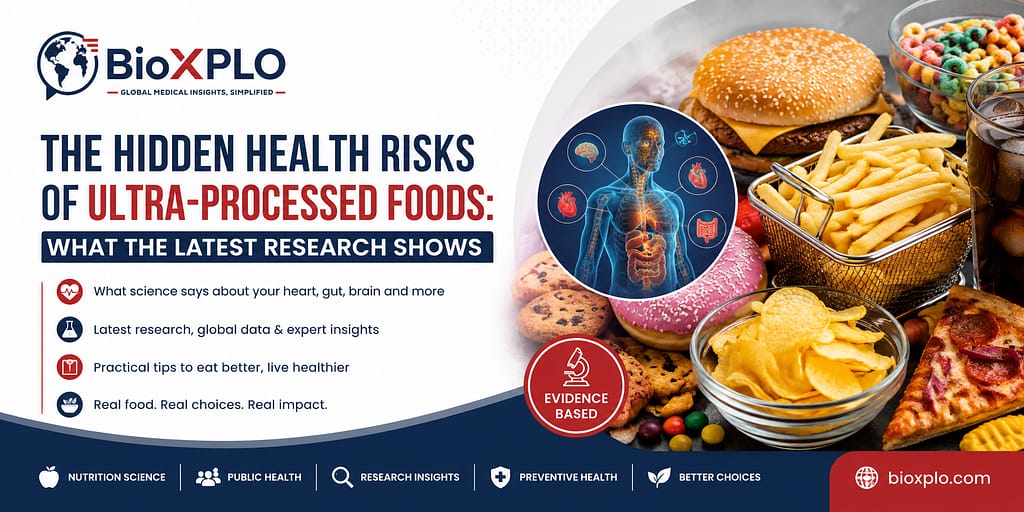

Walk down the aisle of any modern grocery store, and you are surrounded by brightly colored, perfectly engineered convenience foods. Ultra-processed foods (UPFs) now dominate the global food supply, making up roughly 60% of the average American diet and rapidly increasing in consumption worldwide.
The rise of these hyper-palatable convenience foods stems from busy lifestyles and targeted food engineering. However, major public health organizations, including the World Health Organization (WHO), have raised concerns about the direct link between high UPF consumption and the surge in chronic diseases. As awareness grows, more people are actively seeking out a whole food nutrition approach, aiming to improve gut health naturally and reduce their risk of metabolic illness.
But if you actually commit to this shift, what really happens inside your body after replacing processed foods with whole foods for just 30 days?
What Are Ultra-Processed Foods?
To understand the difference between ultra-processed foods vs whole foods, nutritional scientists use the NOVA Food Classification system. This framework categorizes food based on the extent of industrial processing it has undergone, rather than just its nutrient content.
According to the NOVA system, ultra-processed foods (Group 4) are industrial formulations created from substances extracted from whole foods. They are engineered to be hyper-palatable, highly profitable, and have a long shelf-life.
Most importantly, UPFs are loaded with ingredients you wouldn’t find in a standard home kitchen, such as:
- Artificial additives and colorants
- Emulsifiers and stabilizers
- Industrial preservatives
- High-fructose corn syrup and refined sugars
- Hydrogenated or highly refined oils
- Artificial flavor enhancers
Common Examples of Ultra-Processed Foods:
- Packaged chips and savory snacks
- Instant noodles and canned soups
- Sugary breakfast cereals
- Carbonated soft drinks and sweetened fruit juices
- Frozen ready meals and pizzas
- Processed meats (hot dogs, sausages, deli meats)
- Mass-produced packaged breads and baked goods
- Sweetened or flavored yogurts
- Fast food burgers and fries
What Are Whole Foods?
Whole foods belong to NOVA Group 1 (Unprocessed or Minimally Processed Foods). These are foods that remain as close to their natural state in nature as possible. They have not been stripped of their nutritional value, nor have they been pumped full of artificial additives.
Whole foods are foundational for a healthy lifestyle because they naturally contain the complex matrix of nutrients our bodies evolved to recognize and digest.
Common Examples of Whole Foods:
- Fresh fruits (apples, berries, oranges)
- Vegetables (leafy greens, broccoli, carrots)
- Whole grains (quinoa, brown rice, oats)
- Nuts and seeds (almonds, chia seeds, walnuts)
- Eggs
- Fresh fish and seafood
- Legumes (beans, lentils, chickpeas)
- Fresh, unflavored dairy
- Lean, unprocessed meat
When you consume whole foods, you are providing your body with essential dietary components:
- Fiber: Crucial for digestion and blood sugar control.
- Vitamins and Minerals: Necessary for every metabolic process.
- Phytochemicals: Plant compounds with powerful antioxidant properties.
- Healthy Fats: Essential for brain health and hormone production.
- Natural Proteins: The building blocks of tissues and enzymes.
Ultra-Processed Foods vs Whole Foods: A Direct Comparison
Understanding how processed foods affect your body requires looking at the physiological responses they trigger compared to whole foods.
| Feature | Ultra-Processed Foods | Whole Foods |
| Ingredients | Complex chemical formulations, artificial additives, extracted substances. | Single ingredient or entirely natural components. |
| Fiber Content | Stripped of natural fiber during processing. | Naturally high in soluble and insoluble dietary fiber. |
| Nutrient Density | Often high in empty calories, low in essential micronutrients (unless fortified). | High nutrient density; rich in vitamins, minerals, and antioxidants. |
| Calorie Intake | Engineered to bypass satiety signals, leading to overeating and higher calorie intake. | Naturally filling, promoting portion control. |
| Satiety (Fullness) | Digested very rapidly; leaves you feeling hungry quickly. | Slower digestion; keeps you feeling full for longer periods. |
| Blood Sugar Response | Causes rapid spikes in blood glucose, followed by sharp energy crashes. | Promotes stable, gradual blood sugar release. |
| Inflammation | Additives and refined oils can trigger systemic, low-grade inflammation. | Anti-inflammatory properties help reduce oxidative stress. |
| Gut Microbiome | Degrades gut lining and reduces beneficial bacterial diversity. | High fiber feeds beneficial gut bacteria, promoting microbiome diversity. |
| Heart Health | High sodium, trans fats, and sugars increase cardiovascular risk. | Supports healthy blood pressure and cholesterol profiles. |
| Long-Term Disease Risk | Strongly linked to obesity, Type 2 diabetes, cancer, and early mortality. | Lowers the risk of chronic metabolic and cardiovascular diseases. |
Week-by-Week Changes Inside Your Body: The 30-Day Healthy Eating Challenge
Embarking on a 30-day whole food challenge is a powerful way to reset your system. While individual results vary depending on genetics, starting baseline, activity level, and sleep quality, here is a general timeline of what happens if you stop eating ultra-processed foods for 30 days.
Days 1–7: The Adjustment Phase
The first week is often the most challenging. Your body is transitioning away from a constant influx of hyper-palatable, sugary foods.
- Water Balance Changes: As you drastically cut sodium (highly prevalent in UPFs), your body flushes out excess retained water. You may notice less facial puffiness and reduced bloating.
- Energy Fluctuations: Without the rapid glucose spikes from refined carbs, you might experience temporary fatigue or mild headaches as your body adjusts to utilizing more stable energy sources.
- Sugar Cravings: Cravings for sweets and salty snacks will likely peak during this week.
- Digestion Shifts: As you increase your intake of fiber from whole plants, your gut microbiome begins to adapt. You might experience temporary changes in bowel habits.
Days 8–14: The Stabilization Phase
By the second week, the initial withdrawal symptoms usually subside, and the benefits of a whole food nutrition start to emerge.
- Better Blood Sugar Stability: Without the daily rollercoaster of sugar spikes and crashes, your energy levels begin to smooth out. You may notice fewer afternoon slumps.
- More Stable Mood: Reduced blood sugar volatility often translates to a more consistent mood and reduced irritability.
- Improved Bowel Movements: The increased dietary fiber helps regulate digestion, leading to more consistent and healthy bowel movements.
- Better Concentration: As brain fog lifts, many people report improved mental clarity and focus.
Days 15–21: The Healing Phase
During the third week, deeper physiological changes are occurring beneath the surface.
- Improved Insulin Sensitivity: Your cells are becoming more efficient at responding to insulin and absorbing glucose from the bloodstream.
- Reduced Cravings: The intense desire for ultra-processed foods usually diminishes significantly as your palate adjusts to the natural flavors of whole foods.
- Lower Inflammation Markers: The reduction in dietary inflammatory agents (like trans fats and certain emulsifiers) allows systemic inflammation to decrease.
- Better Sleep: Stable blood sugar and reduced systemic stress often lead to deeper, more restorative sleep.
- Better Hydration: Whole fruits and vegetables contain high water content, naturally improving cellular hydration.
Days 22–30: The Transformation Phase
By the end of the 30 days, the culmination of your healthy eating habits becomes evident.
- Weight Changes: If your caloric intake is balanced, you may notice a reduction in body fat, particularly visceral (belly) fat, which is strongly linked to UPF consumption.
- Increased Energy: Sustained, clean energy throughout the day becomes the new normal.
- Better Skin Appearance: Reduced inflammation and better hydration can lead to a clearer complexion and a natural “glow.”
- Improved Gut Health: Your gut microbiome has shifted, favoring beneficial bacteria that support immunity and digestion.
- Improved Cholesterol Profile: A reduction in processed fats often leads to lower triglycerides and improved LDL/HDL ratios, signaling a reduced risk for chronic disease.
What Happens Inside Different Body Systems?
Replacing ultra-processed foods with whole foods impacts nearly every major organ system.
Brain
Ultra-processed foods are engineered to overstimulate the brain’s dopamine reward system, making them highly addictive. Furthermore, studies suggest a high UPF intake is linked to an increased risk of cognitive decline and neuroinflammation.
- Brain Fog: Stable blood sugar and reduced inflammation clear the mental haze.
- Memory and Focus: Whole foods, particularly those rich in Omega-3 fatty acids and antioxidants, support neuroplasticity and cognitive function.
- Mood: A healthier gut microbiome positively influences the gut-brain axis, potentially reducing symptoms of anxiety and depression.
Related: Brain Fog Explained: Why You Can’t Focus and What Science Says About Recovery
Heart
UPFs are a primary driver of cardiovascular disease due to their high sodium, refined sugar, and unhealthy fat content.
- Blood Pressure: Eliminating the excess sodium found in processed foods helps blood vessels relax, naturally lowering blood pressure.
- Cholesterol and Triglycerides: A whole food, heart healthy diet increases dietary fiber, which binds to cholesterol in the digestive tract and removes it from the body, while also drastically lowering triglyceride levels.
Gut
The gut microbiome thrives on the diverse dietary fibers found in whole foods. UPFs, conversely, starve beneficial bacteria and introduce emulsifiers that can degrade the intestinal mucosal lining.
- Healthy Bacteria: Whole foods act as prebiotics, feeding the beneficial microbes in your gut.
- Fiber and Short-Chain Fatty Acids: As gut bacteria ferment fiber, they produce short-chain fatty acids (like butyrate), which reduce gut inflammation and strengthen the intestinal barrier against “leaky gut.”
Liver
High fructose corn syrup, a staple of ultra-processed beverages and snacks, is metabolized primarily in the liver, often leading to non-alcoholic fatty liver disease (NAFLD).
- Fat Accumulation: Removing liquid sugars and refined carbs stops the liver from converting excess energy into stored fat.
- Insulin Resistance: A whole food diet allows the liver to regain its sensitivity to insulin, improving overall metabolic health.
Immune System
Seventy percent of your immune system resides in your gut.
- Inflammation: Anti-inflammatory foods (like berries, leafy greens, and fatty fish) help calm an overactive immune response.
- Immune Response: A diverse gut microbiome, supported by whole foods, strengthens your body’s natural defenses against pathogens.
Skin
Your skin often reflects your internal health.
- Acne: The high glycemic index of UPFs spikes insulin, which can increase sebum production and exacerbate acne. Whole foods keep insulin stable.
- Hydration and Glow: The vitamins (like Vitamin C for collagen synthesis) and water content in fresh produce promote healthy, hydrated skin.
Hormones
UPFs disrupt the delicate balance of hunger hormones.
- Insulin: Whole foods prevent the extreme spikes and crashes of insulin.
- Ghrelin and Leptin: UPFs can cause leptin resistance, meaning your brain never gets the signal that you are full. Whole foods restore the normal signaling of leptin (the satiety hormone) and ghrelin (the hunger hormone), naturally regulating appetite.
The Scientific Evidence
The scientific benefits of eating whole foods are overwhelming, while the evidence against ultra-processed foods continues to mount.
- High UPF Intake and Obesity: Numerous clinical trials demonstrate that diets high in UPFs lead to increased caloric intake and weight gain, independent of macronutrient composition.
- Cardiovascular Disease: Observational studies consistently link higher UPF consumption with an increased risk of hypertension, coronary artery disease, and stroke.
- Type 2 Diabetes: The rapid digestion and high sugar content of UPFs heavily tax the body’s insulin response, significantly increasing the risk of Type 2 diabetes.
- Cancer Risk: Emerging research suggests a correlation between a high intake of ultra-processed foods (particularly processed meats) and certain cancers, notably colorectal cancer.
- Mortality: Large-scale epidemiological studies indicate that a higher proportion of UPFs in the diet is associated with an increased risk of all-cause mortality.
- Mental Health: Recent studies point to a concerning correlation between high UPF consumption and an increased risk of depressive symptoms and cognitive decline.
(Note: While observational studies show strong correlations, they do not always prove causation. However, the mechanistic evidence of how UPFs impact the body strongly supports these associations).
Common Myths Debunked
❌ Myth: All processed foods are bad.
- Fact: Food processing exists on a spectrum. Minimally processed foods (like frozen vegetables, roasted nuts, or pasteurized milk) are healthy and convenient. It is the ultra-processed foods (NOVA Group 4) that pose significant health risks.
❌ Myth: Whole foods are always expensive.
- Fact: While some organic items carry a premium, staples like dried beans, lentils, brown rice, seasonal vegetables, and oats are often much cheaper per serving than packaged convenience foods.
❌ Myth: Healthy food is boring.
- Fact: Whole foods offer a massive variety of textures and natural flavors. Using herbs, spices, and healthy fats (like olive oil or avocado) can make whole food meals incredibly delicious.
❌ Myth: Processed food causes disease overnight.
- Fact: The negative effects of UPFs accumulate over time. A single fast-food meal won’t cause heart disease, but making it a daily habit over years significantly increases your risk.
Easy Food Swaps for Daily Nutrition
Transitioning away from UPFs doesn’t mean eating only raw salads. It’s about upgrading the quality of your ingredients. Here are some of the best whole foods for daily nutrition to swap into your routine:
| Instead of (Ultra-Processed) | Choose (Whole/Minimally Processed) |
| Sugary Soda | Sparkling water with a squeeze of fresh lemon or lime |
| Packaged Potato Chips | Roasted chickpeas or air-popped popcorn |
| Mass-Produced White Bread | 100% whole-grain sourdough or sprouted grain bread |
| Fruit-Flavored Candy | Fresh berries, grapes, or a piece of dark chocolate (70%+) |
| Sugary Breakfast Cereal | Rolled oats topped with nuts and fresh fruit |
| Sweetened, Flavored Yogurt | Plain, unsweetened Greek yogurt with fresh berries |
| Processed Deli Meats | Leftover roasted chicken or turkey breast |
| Store-Bought Salad Dressing | Olive oil, balsamic vinegar, and a pinch of salt |
One-Day Whole Food Meal Plan
Here is an example of what a delicious, satisfying day on a whole food diet guide looks like:
- Breakfast: Veggie scramble made with pastured eggs, spinach, tomatoes, and a side of sliced avocado.
- Snack: A handful of raw almonds and an apple.
- Lunch: Large mixed greens salad topped with grilled chicken breast, quinoa, cucumber, cherry tomatoes, and dressed with extra virgin olive oil and lemon juice.
- Evening Snack: Carrot and cucumber sticks with homemade hummus (made from chickpeas, tahini, lemon, and garlic).
- Dinner: Baked salmon rich in Omega-3s, served with roasted sweet potatoes and steamed broccoli.
- Hydration Tips: Aim for at least 8 glasses of water throughout the day. Herbal teas (like chamomile or peppermint) are also excellent choices.
Frequently Asked Questions (FAQ)
Are all processed foods unhealthy?
No. Minimally processed foods like frozen berries, canned beans (rinsed), and pasteurized dairy can be part of a healthy diet. You should avoid ultra-processed foods containing artificial additives and refined sugars.
Can whole foods help lose weight?
Yes. Whole foods are naturally high in fiber and protein, which increase satiety (fullness) and help naturally regulate appetite, often leading to a calorie deficit without strict counting.
How long does it take to see benefits?
Many people report feeling increased energy and reduced bloating within the first 5 to 7 days. Deeper metabolic changes, like improved insulin sensitivity, become more pronounced after 3 to 4 weeks.
Can whole foods reduce inflammation?
Absolutely. A diet rich in vegetables, fruits, healthy fats (like olive oil), and omega-3s actively combats systemic inflammation, unlike UPFs which tend to trigger it.
Is frozen food processed?
Plain frozen fruits and vegetables are considered minimally processed (NOVA Group 1) and retain almost all their nutritional value. Frozen meals with long ingredient lists of additives are ultra-processed.
Is peanut butter ultra-processed?
It depends on the label. Peanut butter containing only “peanuts and salt” is minimally processed. Brands with added hydrogenated oils, sugar, and emulsifiers are ultra-processed.
Can children benefit from whole foods?
Yes. Establishing healthy eating habits early is crucial. Children benefit immensely from the stable energy and essential nutrients provided by whole foods, supporting both physical growth and cognitive development.
How much processed food is safe?
Most nutritional guidelines suggest minimizing UPF intake as much as possible. Aiming for a diet where 80-90% of your calories come from whole or minimally processed foods is a strong target for long-term health.
Key Takeaways
- Understand the Difference: Ultra-processed foods (UPFs) are industrial formulations laden with additives; whole foods are close to their natural state.
- The 30-Day Impact: Replacing UPFs with whole foods for a month can significantly stabilize blood sugar, improve digestion, and boost mental clarity.
- Gut Health: Whole foods provide the vital fiber necessary to cultivate a diverse, healthy gut microbiome, which is essential for immunity and mood.
- Hormonal Balance: Ditching hyper-palatable processed foods helps restore the natural function of hunger hormones like leptin and ghrelin.
- Heart and Metabolic Health: A whole food diet naturally lowers blood pressure, improves cholesterol profiles, and reduces the risk of Type 2 diabetes.
- Read the Labels: If an ingredient list reads like a chemistry experiment, it belongs in the ultra-processed category.
- Focus on Addition, Not Just Subtraction: Instead of just cutting out junk food, focus on adding more vibrant vegetables, lean proteins, and healthy fats to your plate.
- Progress, Not Perfection: Transitioning to a whole food lifestyle is a journey. Gradual, sustainable food swaps are more effective than extreme, short-term diets.
Conclusion
Choosing whole foods over ultra-processed foods is one of the most impactful decisions you can make for your long-term health. The shift away from industrial, additive-heavy products toward nutrient-dense, natural foods fundamentally changes how your body operates on a cellular level.
By taking a 30-day healthy eating challenge to focus on the ultra-processed foods vs whole foods approach, you give your brain, gut, and heart the opportunity to heal and reset. You don’t have to be perfect; focus on making simple, sustainable swaps. Start reading labels, embrace the kitchen, and discover how vibrant you can feel when you fuel your body with the nutrition it was designed to run on.
Medical Disclaimer:
This article is intended for educational purposes only and should not replace professional medical advice, diagnosis, or treatment. Consult a qualified healthcare provider or registered dietitian before making significant dietary changes, especially if you have chronic health conditions.
References: