
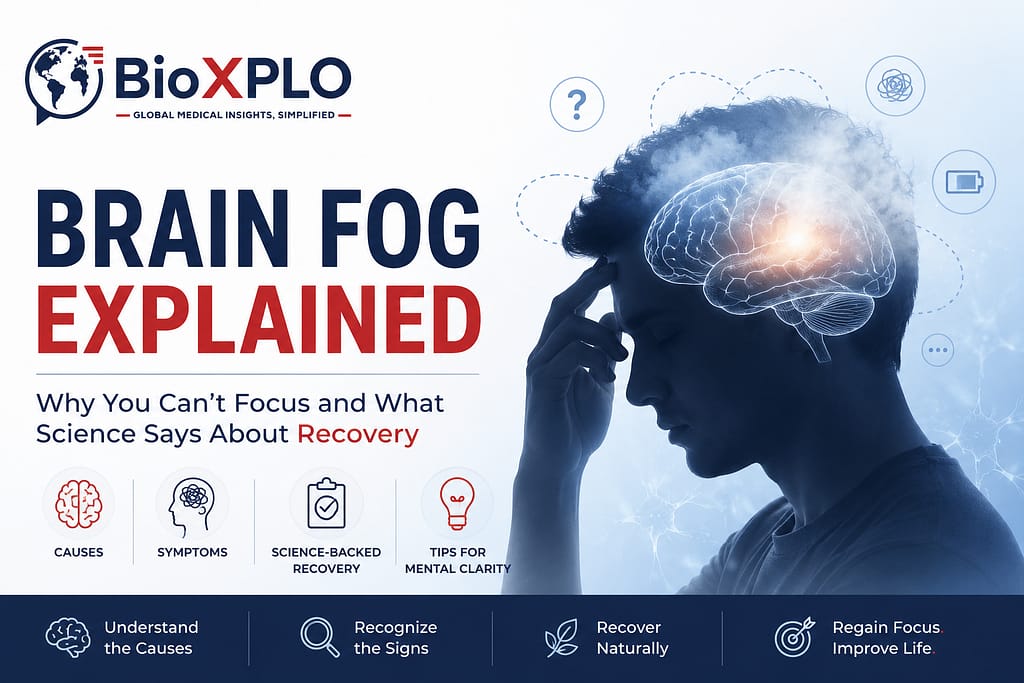
Have you ever walked into a room and completely forgotten why you were there? Or perhaps you’ve stared at a simple work email for twenty minutes, unable to string the right words together. If you find yourself constantly asking, “Why can’t I focus anymore?”, you are not alone.
In recent years, the term brain fog has surged in popularity. Fueled by a sudden shift to work-from-home lifestyles, chronic stress, digital overload, poor diet, and the lingering effects of long COVID, millions of people are experiencing a sudden decline in mental clarity. While it might feel like a personal failing, this cognitive dysfunction is a very real, biological phenomenon.
This comprehensive guide breaks down the science behind brain fog, exploring what happens in your brain when focus fails, the primary causes of mental fatigue, and evidence-based strategies for brain fog recovery.
1. What Is Brain Fog?
Brain fog is not a medical diagnosis or a specific disease. Rather, it is a colloquial term used to describe a constellation of symptoms related to mild cognitive dysfunction. Think of it as a temporary clouding of consciousness that affects your ability to think clearly, remember information, and pay attention.
While temporary brain fog can happen to anyone after a poor night’s sleep or during a stressful week, chronic brain fog persists for weeks or months, severely impacting daily life, relationships, and work productivity.
Common indicators include:
- Difficulty concentrating on tasks
- Frequent forgetfulness
- Slow or sluggish thinking
- Severe mental fatigue
- Poor attention span
- Noticeably reduced productivity
2. How the Brain Normally Maintains Focus
To understand focus problems, it is helpful to look at how a healthy brain processes information.
The Brain’s Control Center
The prefrontal cortex (located right behind your forehead) acts as the brain’s CEO. It is responsible for executive functions like decision-making, planning, and maintaining focus. Meanwhile, the hippocampus serves as your brain’s filing cabinet, crucial for forming and retrieving memories.
The Role of Neurotransmitters
Your brain cells (neurons) communicate via chemical messengers called neurotransmitters. Mental clarity relies heavily on a delicate balance of these chemicals:
- Dopamine: Often called the “reward molecule,” dopamine is essential for motivation, drive, and sustained attention.
- Acetylcholine: This chemical is critical for learning, memory formation, and neuroplasticity (the brain’s ability to adapt).
- Serotonin: Known for regulating mood, serotonin also influences sleep cycles and cognitive speed.
Attention Networks and Working Memory
When you are focused, your brain engages specific attention networks to filter out distractions. It uses your working memory—a temporary mental workspace—to hold onto information just long enough to use it. When you experience brain fog, the communication between the prefrontal cortex, the hippocampus, and these attention networks becomes inefficient.
3. Major Causes of Brain Fog
What causes brain fog? Research shows that cognitive dysfunction usually stems from lifestyle, psychological, or medical factors.
Lifestyle Factors
- Sleep Deprivation: Lack of sleep disrupts memory consolidation and prevents the brain from clearing out metabolic waste.
- Digital Overload & Multitasking: Constantly switching between emails, social media, and work tasks depletes the brain’s energy reserves, leading to mental exhaustion.
- Poor Nutrition: Diets high in processed foods and sugar cause blood glucose crashes. Furthermore, deficiencies in Vitamin B12, Vitamin D, Iron, or Omega-3 fatty acids directly impair brain performance.
- Dehydration: Even mild dehydration can cause brain tissue to temporarily shrink, impairing focus.
- Lack of Exercise: Sedentary habits reduce blood flow and oxygen delivery to the brain.
Psychological Factors
- Chronic Stress: Prolonged stress keeps cortisol levels high, which can literally shrink the hippocampus over time.
- Anxiety and Depression: Mental health conditions alter neurotransmitter balance and drain cognitive energy, making it incredibly difficult to concentrate.
Medical Factors
- Long COVID: According to the National Institutes of Health (NIH), a significant percentage of individuals experience persistent brain fog after COVID-19 due to prolonged neuroinflammation.
- Hormonal Changes: Fluctuations during pregnancy, menopause, or from thyroid disorders (like hypothyroidism) heavily impact cognition.
- Chronic Illnesses: Diabetes, autoimmune diseases (like lupus or multiple sclerosis), and chronic fatigue syndrome are strongly linked to cognitive dysfunction.
- Medications, Alcohol, and Smoking: Certain drugs (like antihistamines or sleep aids), excessive alcohol consumption, and smoking impair neural communication and blood flow.
4. Brain Fog Symptoms
Brain fog symptoms in adults can vary, but generally include a mix of the following.
The Cognitive Symptom Checklist:
- Forgetfulness: Losing keys, forgetting appointments, or losing your train of thought mid-sentence.
- Trouble Finding Words: Knowing what you want to say but being unable to recall the specific word (the “tip-of-the-tongue” phenomenon).
- Difficulty Learning: Struggling to absorb new information or follow complex instructions.
- Poor Concentration: Inability to focus on a single task without becoming easily distracted.
- Mental Exhaustion: Feeling completely drained after minor cognitive tasks, similar to physical fatigue after a workout.
- Decision Fatigue: Feeling overwhelmed by simple choices (e.g., what to eat for dinner).
- Feeling Mentally “Slow”: Processing information at a noticeably slower pace than usual.
- Reduced Creativity: An inability to brainstorm or think outside the box.
5. What Happens Inside the Brain?
The science behind brain fog reveals several distinct biological mechanisms at play.
- Neuroinflammation: Just as a sprained ankle swells, the brain can experience mild inflammation. Inflammatory markers (cytokines) can cross the blood-brain barrier, slowing down neural communication and causing that “thick” or “cloudy” feeling.
- Oxidative Stress: When there is an imbalance between free radicals and antioxidants, brain cells experience oxidative stress, damaging cellular structures and impairing brain energy metabolism.
- Cortisol Overload: Chronic stress floods the brain with cortisol. While helpful in short bursts, chronic cortisol exposure damages neural connections in the prefrontal cortex.
- Blood Glucose Fluctuations: The brain consumes 20% of the body’s energy, mostly in the form of glucose. Spikes and crashes in blood sugar lead directly to erratic brain performance.
- Circadian Rhythm Disruption: Disrupted sleep cycles prevent the brain’s glymphatic system from “washing” the brain of toxins overnight, leading to morning grogginess and persistent fog.
6. How Scientists Diagnose Brain Fog
Because brain fog is a symptom rather than a disease, healthcare professionals focus on diagnosing the underlying cause. A typical medical evaluation may include:
- Medical History: Discussing symptom onset, lifestyle habits, and previous infections (like COVID-19).
- Cognitive Assessments: Simple tests to evaluate working memory, executive function, and processing speed.
- Blood Tests: Screening for thyroid dysfunction, inflammatory markers, and nutritional deficits (Vitamin B12, D, Iron).
- Mental Health Screening: Evaluating for underlying anxiety, depression, or chronic stress.
- Sleep Assessment: Checking for sleep apnea or chronic insomnia.
7. Science-Based Recovery Strategies
Wondering how to recover from brain fog naturally? Evidence-based lifestyle adjustments are often the most effective treatment.
Optimize Sleep
Aim for 7–9 hours of quality sleep. Maintain a consistent sleep schedule to regulate your circadian rhythm and allow your brain to undergo necessary cellular repair.
Movement and Exercise
Physical activity is a powerful cognitive enhancer. Aerobic exercise (like brisk walking or swimming) increases blood flow to the brain, while resistance training has been shown to boost levels of BDNF (Brain-Derived Neurotrophic Factor), a protein that supports neuroplasticity.
Manage Stress
Lowering cortisol is essential for brain fog recovery. Implement:
- Meditation and Mindfulness: Proven to increase grey matter density in the prefrontal cortex.
- Deep Breathing/Yoga: Activates the parasympathetic nervous system, calming the brain.
Improve Focus Habits
- Digital Detox: Limit screen time, especially an hour before bed.
- Pomodoro Technique: Work for 25 minutes, then take a 5-minute break. This prevents mental fatigue and preserves working memory.
- Time Blocking: Group similar tasks together to avoid the cognitive drain of multitasking.
- Sunlight Exposure: Getting natural light in the morning helps set your biological clock, improving daytime alertness and nighttime sleep.
Medical and Professional Treatment
If lifestyle changes aren’t enough, consult a professional. Treatment might include cognitive behavioral therapy (CBT), addressing hormonal imbalances, or modifying existing medication prescriptions.
8. Foods That Support Brain Health
Nutrition for brain health is vital. The Mediterranean diet, rich in antioxidants and healthy fats, is heavily correlated with improved cognitive function.
| Food | Key Nutrient | Brain Benefit |
| Salmon & Mackerel | Omega-3 Fatty Acids | Builds brain cell membranes and reduces neuroinflammation. |
| Blueberries | Antioxidants (Flavonoids) | Protects the brain from oxidative stress and delays brain aging. |
| Eggs | Choline, B Vitamins | Precursor to acetylcholine, boosting memory and mood regulation. |
| Walnuts | Vitamin E, DHA | Protects against cognitive decline and supports neural signaling. |
| Spinach & Kale | Folate, Vitamin K | Slows cognitive decline and supports healthy brain energy metabolism. |
| Dark Chocolate | Flavonoids, Caffeine | Enhances focus, increases blood flow to the brain, and boosts mood. |
| Pumpkin Seeds | Zinc, Magnesium, Iron | Crucial for nerve signaling, learning, and preventing mental fatigue. |
| Green Tea | L-theanine, Caffeine | Provides sustained focus without the “jittery” crash of coffee. |
| Avocados | Monounsaturated Fats | Promotes healthy blood flow and lowers blood pressure. |
| Yogurt / Kefir | Probiotics | Supports the gut-brain axis, reducing systemic inflammation. |
9. Daily Habits That Improve Mental Clarity
Adopting a structured routine is one of the best habits for mental clarity.
Morning:
- Hydrate immediately: Drink a large glass of water upon waking to reverse overnight dehydration.
- Seek sunlight: Get 10–15 minutes of natural sunlight to halt melatonin production and signal alertness to your brain.
- Eat a brain-boosting breakfast: Opt for proteins and healthy fats (e.g., eggs and avocado) rather than sugary cereals that cause a glucose crash.
Afternoon:
- Take a walking break: A 15-minute brisk walk increases oxygen to the brain and helps reset focus.
- Use the Pomodoro technique: Prevent afternoon burnout by strictly limiting continuous work to 25–50 minute blocks.
- Limit late caffeine: Stop drinking coffee by 2:00 PM to ensure caffeine doesn’t disrupt deep sleep.
Evening:
- Social interaction: Meaningful conversations stimulate neural pathways and reduce stress.
- Digital detox: Turn off laptops and phones at least 60 minutes before bed.
- Read or stretch: Engage in low-dopamine, relaxing activities to prepare the brain for restorative sleep.
10. Myths vs Facts
Myth 1: Brain fog only affects older adults.
Fact: It can affect people of any age, including teenagers and young professionals, often due to stress, diet, or screen time.
Myth 2: Brain fog is an early sign of dementia.
Fact: While dementia causes cognitive decline, temporary brain fog is usually related to reversible lifestyle factors or temporary health issues.
Myth 3: You can cure brain fog by drinking more coffee.
Fact: Caffeine provides a temporary spike in alertness but can cause a crash later. Over-consuming caffeine disrupts sleep, making the fog worse.
Myth 4: Brain fog is purely psychological.
Fact: It has distinct physiological roots, including neuroinflammation, hormonal imbalances, and cellular energy deficits.
Myth 5: If you sleep for 12 hours, your brain fog will disappear.
Fact: Oversleeping can disrupt your circadian rhythm and actually leave you feeling groggier. Consistency is more important than sheer duration.
Myth 6: Supplements are the only way to cure brain fog.
Fact: While fixing a deficiency (like B12) helps, no supplement can replace the benefits of good sleep, exercise, and a healthy diet.
Myth 7: Brain fog is a permanent condition.
Fact: For the vast majority of people, cognitive function returns to normal once the underlying causes are addressed.
Myth 8: Stress only affects your mood, not your intelligence.
Fact: Chronic stress physically alters the brain, impairing the prefrontal cortex and reducing your ability to learn, remember, and focus.
11. When Should You See a Doctor?
While lifestyle tweaks often clear the fog, you should seek medical attention if you experience any of the following warning signs:
- Symptoms that suddenly worsen or fail to improve after weeks of healthy lifestyle changes.
- Confusion, disorientation, or sudden inability to recognize familiar places or people.
- Co-occurring physical symptoms like severe fatigue, unexplainable weight changes, or hair loss (often indicative of thyroid issues).
- Numbness, tingling, or severe headaches.
- Symptoms that severely interfere with your ability to perform your job or care for yourself safely.
12. Frequently Asked Questions
Is brain fog permanent?
No, brain fog is rarely permanent. For most people, it is a temporary state of cognitive dysfunction. Once the underlying cause—such as sleep deprivation, stress, nutritional deficiency, or a medical condition—is identified and treated, mental clarity typically returns.
Can anxiety cause brain fog?
Yes. Anxiety triggers the release of stress hormones like cortisol, which keep the brain in a state of high alert. This constant hyper-arousal drains cognitive energy, making it very difficult to concentrate, form memories, or process information efficiently.
Does coffee help brain fog?
Coffee provides a temporary boost in alertness due to caffeine. However, it does not cure brain fog. Relying too heavily on coffee can lead to energy crashes and disrupted sleep, which ultimately makes cognitive fatigue much worse in the long run.
Is brain fog a symptom of vitamin deficiency?
Absolutely. Deficiencies in vital nutrients like Vitamin B12, Vitamin D, and Iron directly impact brain health. These vitamins are essential for neurotransmitter production and cellular energy; lacking them frequently results in fatigue, memory issues, and slow thinking.
Can lack of sleep affect memory?
Yes, profoundly. During the deep stages of sleep, the brain consolidates information learned throughout the day and flushes out metabolic waste. Lacking sleep disrupts this process, severely impairing both short-term working memory and long-term memory recall.
Is brain fog linked to COVID?
Yes, brain fog is one of the most common symptoms of “long COVID.” Researchers believe the SARS-CoV-2 virus can trigger prolonged neuroinflammation or disrupt blood flow to the brain, leading to lingering cognitive impairment months after the initial infection.
Which foods improve concentration?
Foods rich in Omega-3 fatty acids, antioxidants, and vitamins improve concentration. Excellent choices include fatty fish (salmon), walnuts, blueberries, dark chocolate, eggs, and leafy greens. These foods protect brain cells and support efficient neural communication.
Can exercise reduce brain fog?
Yes, exercise is highly effective for clearing brain fog. Physical activity increases blood flow, delivering vital oxygen and nutrients to the brain. It also stimulates the release of BDNF, a protein that supports the growth and survival of new brain cells.
How long does recovery take?
Recovery time varies based on the cause. If brain fog is due to a few nights of poor sleep or mild dehydration, clarity can return in a day or two. If caused by chronic stress, long COVID, or severe burnout, recovery may take several weeks or months of consistent lifestyle interventions.
Can dehydration cause brain fog?
Even mild dehydration (as little as 2% fluid loss) can shrink brain tissue volume temporarily and impair cognitive function. This leads to symptoms like poor concentration, mood swings, headaches, and a noticeable drop in mental energy.
Conclusion
Navigating daily life with brain fog can be incredibly frustrating. When your prefrontal cortex is exhausted and neurotransmitters are out of balance, even simple tasks can feel like moving mountains. However, understanding that brain fog is a biological response—not a personal failure—is the first step toward recovery.
By prioritizing quality sleep, managing chronic stress, adopting a brain-boosting diet, and taking deliberate breaks from digital overload, you can significantly reduce mental fatigue. Remember, the brain is highly resilient and neuroplastic. For most people, cognitive dysfunction is highly reversible. Take proactive steps today to nurture your brain health, and if symptoms persist, never hesitate to reach out to a healthcare professional for guidance.
References & Further Reading
- World Health Organization (WHO): Neurological impact of COVID-19 and long COVID
- Centers for Disease Control and Prevention (CDC): Sleep and Sleep Disorders
- National Institutes of Health (NIH): Cognitive dysfunction and dietary impacts
- National Institute of Neurological Disorders and Stroke (NINDS): Brain Basics: Understanding Sleep
- Harvard Health Publishing: Protecting against cognitive decline
- Mayo Clinic: Brain fog and chronic stress
- Cleveland Clinic: What is Brain Fog? Causes and Treatments
- PubMed: Neuroinflammation and cognitive function research
- Nature Reviews Neuroscience: The neurobiology of stress and memory
- The Lancet: Neurological and psychiatric risk trajectories after SARS-CoV-2 infection