
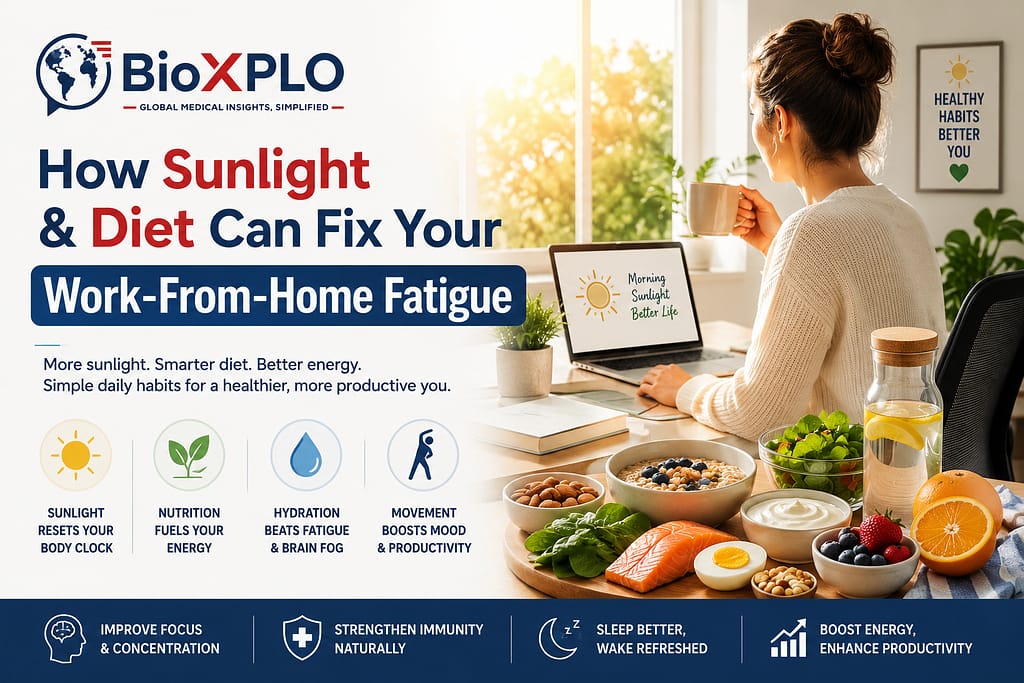
Introduction
Are you feeling tired despite sitting at a desk all day? You are not alone. Millions of remote workers experience afternoon crashes, persistent brain fog, and alarmingly low motivation.
This modern phenomenon, often called screen fatigue or remote burnout, leaves professionals exhausted before the workday even ends. You might assume you just need another cup of coffee or an extra hour of sleep.
However, fatigue isn’t always due to a lack of sleep. When you work from home, your environment fundamentally changes. Poor sunlight exposure, a disrupted body clock, mild dehydration, and nutritional deficiencies are major contributors to this exhaustion.
In this comprehensive guide, we will explore how inadequate natural light and poor dietary choices drain your energy. More importantly, we will share practical, science-backed solutions to fix your work-from-home fatigue naturally.
What Causes Work-From-Home Fatigue?
Transitioning to a home office removes the natural activity built into a traditional commute. This shift in daily routine creates a perfect storm for physical and mental exhaustion.
If you are struggling with remote work health, several hidden factors might be draining your energy:
- Reduced movement: Without commuting or walking to meetings, prolonged sitting slows down your metabolism and circulation.
- Less sunlight: Working indoors all day limits your exposure to natural daylight, confusing your body’s internal clock.
- Longer screen exposure: Staring at laptops and monitors causes eye strain and cognitive fatigue.
- Poor posture: Slouching over a laptop restricts deep breathing, reducing oxygen flow to your brain.
- Mental exhaustion: Blurring the lines between home and work life makes it difficult for your brain to truly clock out.
- Irregular meals: Proximity to the kitchen often leads to constant grazing on processed snacks instead of structured, nutritious meals.
- Social isolation: A lack of face-to-face interaction can lower your mood and decrease mental stimulation.
- Poor sleep schedules: Without a strict morning routine, sleep schedules often become erratic, leading to groggy mornings.
The Science Behind Sunlight and Energy
To understand sunlight and energy, we must look at the circadian rhythm. This is your body’s 24-internal clock that regulates your sleep-wake cycle.
Your circadian rhythm relies heavily on light cues. Morning sunlight exposure sends a powerful signal to your brain that it is time to be awake and alert. When sunlight hits your eyes, it triggers the production of serotonin.
Serotonin is a neurotransmitter that regulates mood, energy, and focus. Later in the evening, as darkness falls, your brain converts this serotonin into melatonin. Melatonin is the hormone responsible for making you sleepy.
When you stay indoors all day, you miss out on this crucial light cycle. Your brain struggles to produce enough daytime serotonin or nighttime melatonin. This leads to a flattened circadian rhythm, resulting in poor sleep quality and daytime grogginess.
Health organizations agree that getting natural daylight, especially in the morning, leads to increased alertness, better mood regulation, and significantly improved sleep.
Vitamin D Deficiency in Remote Workers
Beyond setting your biological clock, sunlight is essential for synthesizing Vitamin D in your skin. Unfortunately, remote workers are at a much higher risk of Vitamin D deficiency due to their indoor lifestyles.
Unlike traditional office workers who might walk to transit or grab lunch outside, remote workers can easily go days without stepping outdoors. This lack of sun exposure has serious physical consequences.
Common symptoms of Vitamin D deficiency include:
- Muscle weakness and chronic aches
- Persistent, unexplained fatigue
- Poor concentration and brain fog
- Mood changes, including signs of depression
- Compromised bone health over time
If you experience these symptoms consistently despite getting enough sleep, you should consider a medical evaluation. A simple blood test can determine if you need to adjust your lifestyle or start a supplement protocol.
Foods That Naturally Boost Energy
Your diet plays a massive role in how you feel throughout the workday. Relying on simple carbohydrates and sugar leads to rapid energy spikes followed by deep crashes.
A proper diet to reduce fatigue focuses on sustained energy release. Below is a table of foods that should be part of any healthy desk lifestyle:
| Food | Key Nutrient | Benefit |
| Eggs | Protein & B-Vitamins | Provides steady, sustained energy and supports brain function. |
| Oats | Complex Carbohydrates | Releases energy slowly, preventing mid-morning blood sugar crashes. |
| Nuts & Seeds | Magnesium & Healthy Fats | Reduces muscle fatigue and provides long-lasting mental fuel. |
| Greek Yogurt | Protein & Probiotics | Supports gut health, which is directly linked to mood and energy levels. |
| Salmon | Omega-3 Fatty Acids | Reduces inflammation and combats cognitive fatigue (brain fog). |
| Lentils & Beans | Iron & Fiber | Delivers oxygen to the brain and stabilizes blood sugar. |
| Spinach | Iron & Magnesium | Fights physical weakness and cellular fatigue. |
| Bananas | Potassium & Vitamin B6 | Offers a quick, natural energy boost without the sugar crash. |
| Citrus Fruits | Vitamin C | Enhances iron absorption and supports immune health. |
| Whole Grains | Fiber & B-Vitamins | Fuels the brain with a steady supply of glucose. |
| Berries | Antioxidants | Protects brain cells from oxidative stress and fatigue. |
| Dark Chocolate | Theobromine & Iron | Provides a mild, jitter-free stimulant effect in moderation. |
| Water | H2O | Essential for every cellular process; prevents dehydration-induced fatigue. |
Nutrients That Fight Fatigue
Building healthy work-from-home habits means understanding why certain foods help. Specific nutrients act as the building blocks for cellular energy.
Vitamin D: As discussed, this hormone-like vitamin is crucial for muscle function and mood. Food sources include fatty fish, egg yolks, and fortified dairy or plant milks.
Vitamin B12: This vitamin is essential for red blood cell formation and nerve function. A deficiency leads to severe exhaustion. It is found heavily in animal products like meat, fish, and dairy, so vegans may need a supplement.
Iron: Iron carries oxygen to your cells. Low iron leads to anemia, causing shortness of breath and weakness. Find it in spinach, red meat, lentils, and fortified cereals.
Magnesium: Required for over 300 biochemical reactions, magnesium turns food into energy. Nuts, seeds, and leafy greens are excellent sources.
Protein: Protein provides the amino acids needed for neurotransmitter production, keeping you alert. Ensure you have protein at every meal.
Omega-3 Fatty Acids: These healthy fats are vital for brain health and reducing the inflammation that causes mental fatigue.
Complex Carbohydrates: Your brain runs on glucose. Complex carbs like sweet potatoes and quinoa provide a slow, steady trickle of this fuel.
Electrolytes: Sodium, potassium, and calcium ensure your nerves and muscles function correctly. Coconut water and bananas are great natural sources.
Healthy Daily Routine for Remote Workers
Establishing a structure is the best fatigue prevention tip. A predictable routine keeps your circadian rhythm anchored. Here is an ideal daily schedule for optimal energy:
- 7:00 AM – Wake up: Try to wake up at the same time every day.
- 7:15 AM – Morning sunlight: Spend 15–30 minutes outside walking or drinking your coffee.
- 8:00 AM – Healthy breakfast: Focus on protein and complex carbs (e.g., eggs and oatmeal).
- 8:30 AM – Hydration: Drink a large glass of water before starting work.
- 10:30 AM – Stretch break: Stand up, roll your shoulders, and look out a window.
- 12:30 PM – Lunch: Eat away from your desk. Include leafy greens and lean protein.
- 1:00 PM – Walking break: A 10-minute walk aids digestion and prevents the afternoon slump.
- 3:00 PM – Screen break: Practice the 20-20-20 rule to rest your eyes.
- 5:30 PM – Evening exercise: Transition out of “work mode” with a workout.
- 7:00 PM – Healthy dinner: Keep it balanced and avoid heavy, greasy foods.
- 10:00 PM – Sleep routine: Dim the lights, turn off screens, and prepare for rest.
Hydration Matters
It is incredibly easy to forget to drink water when you are hyper-focused on a screen. However, even mild dehydration can trigger profound work-from-home fatigue.
When you are dehydrated, your blood volume drops. This forces your heart to work harder to pump oxygen to your brain, resulting in physical tiredness.
Dehydration is a leading cause of brain fog, headaches, and reduced concentration. To stay hydrated, keep a large, reusable water bottle clearly visible on your desk. Flavor it with lemon or cucumber if plain water is unappealing, and aim to drink at least 8 glasses a day.
Exercise + Sunlight = Productivity Boost
If you want to maximize your energy, combine physical movement with natural daylight. This combination is the ultimate productivity and sunlight hack for remote workers.
Taking a brisk 15-minute walk outside during your lunch break accomplishes three things: it resets your circadian rhythm, oxygenates your blood, and relieves joint stiffness from sitting.
If you cannot get outside, try to position a standing desk near a sunlit window. Alternate between sitting and standing every hour.
Incorporate short resistance exercises—like a few squats or wall push-ups—during your breaks. These micro-workouts signal to your body that it needs to generate energy, effectively banishing midday lethargy.
Warning Signs You Shouldn’t Ignore
While lifestyle adjustments can fix standard work-from-home fatigue, sometimes exhaustion points to a deeper medical issue. Nutrition for remote workers is vital, but it cannot cure underlying diseases.
You should not ignore the following symptoms:
- Persistent fatigue that doesn’t improve with rest
- Dizziness upon standing
- Severe muscle weakness
- Unexplained weight loss or gain
- Deep feelings of depression or hopelessness
- Chest pain or heart palpitations
- Shortness of breath with minimal exertion
- Frequent infections or a weakened immune system
If your fatigue is accompanied by any of these warning signs, please seek immediate medical evaluation. Consult your doctor for personalized advice.
Myths vs Facts
When it comes to remote work health, there is a lot of misinformation. Let’s clear up some common misconceptions:
Myth: Coffee cures fatigue.
Fact: Caffeine masks fatigue by blocking sleep receptors; it does not create real cellular energy. Over-reliance leads to worse crashes later.
Myth: Sitting all day saves energy.
Fact: Prolonged sitting actually signals your body to slow its metabolism, making you feel more sluggish and tired.
Myth: Supplements replace sunlight.
Fact: While Vitamin D pills are helpful, they cannot replicate the circadian rhythm benefits and mood-boosting serotonin produced by actual sunlight hitting your eyes.
Myth: Working indoors near a window means no Vitamin D issues.
Fact: Standard window glass blocks the UVB rays necessary for your skin to produce Vitamin D. You must step outside.
Myth: Skipping meals improves productivity and focus.
Fact: Fasting works for some, but for many, skipping meals causes blood sugar drops that lead to severe brain fog and irritability.
Myth: More screen time equals more work done.
Fact: Cognitive fatigue sets in after a few hours. Taking breaks to rest your eyes actually increases your overall daily output and accuracy.
Practical Daily Checklist
To make these healthy work from home habits actionable, use this simple daily checklist:
- [ ] Get 15–30 minutes of morning sunlight
- [ ] Drink a large glass of water before coffee
- [ ] Eat a protein-rich breakfast
- [ ] Stand up and stretch every hour
- [ ] Eat at least one serving of fruits
- [ ] Eat at least two servings of vegetables
- [ ] Take a 10-minute walk after lunch
- [ ] Reduce sugary and processed snacks
- [ ] Sleep 7–9 hours
- [ ] Limit all screens 1 hour before bed
Expert Tips
Health and wellness experts emphasize that environment dictates behavior. Occupational health professionals recommend separating your workspace from your relaxation space to help your brain transition out of work mode.
Nutritionists advise prepping healthy snacks—like sliced bell peppers or almonds—the night before so you don’t reach for chips.
Furthermore, sleep experts from recognized organizations stress that keeping your bedroom cool, dark, and strictly for sleep is the best way to ensure the rest you get is actually restorative.
Frequently Asked Questions (FAQ)
Can lack of sunlight make you tired?
Yes. A lack of sunlight disrupts your circadian rhythm, preventing your brain from producing the right balance of daytime serotonin and nighttime melatonin, leading to constant grogginess.
How much sunlight do adults need daily?
Most experts recommend 15 to 30 minutes of direct sunlight exposure daily, ideally in the morning, to maintain a healthy body clock and support Vitamin D production.
What foods help fight fatigue?
Foods rich in complex carbohydrates, lean protein, iron, and B-vitamins fight fatigue. Excellent choices include oats, eggs, spinach, salmon, nuts, and berries.
Does Vitamin D improve energy?
Yes. Vitamin D is essential for cellular function and muscle strength. Correcting a Vitamin D deficiency often resolves unexplained daytime fatigue and low mood.
Is working from home unhealthy?
It is not inherently unhealthy, but it requires discipline. Without the forced movement of an office commute, remote workers must actively schedule physical activity, sunlight, and proper meals.
How often should remote workers take breaks?
You should aim for a micro-break (standing, stretching, looking away from the screen) every 30 to 60 minutes, and a longer break (walking, eating) every few hours.
Can dehydration cause tiredness?
Absolutely. Even mild dehydration reduces blood volume, meaning less oxygen reaches your brain and muscles, instantly causing you to feel sluggish and tired.
Should I take Vitamin D supplements?
If you spend most of your time indoors, you are likely at risk for deficiency. However, you should consult your healthcare provider for a blood test to determine the correct dosage for your needs.
Key Takeaways
- Sunlight sets your clock: Morning light exposure regulates your circadian rhythm, boosting daytime focus and nighttime sleep quality.
- Beware of Vitamin D deficiency: Staying indoors all day puts you at risk for fatigue, muscle weakness, and mood drops.
- Eat for sustained energy: Swap sugary snacks for complex carbs, healthy fats, and lean proteins to avoid afternoon crashes.
- Hydration is non-negotiable: Keep water at your desk to prevent dehydration-induced brain fog.
- Movement matters: Combine outdoor walks with breaks to oxygenate your brain and relieve physical stiffness.
Conclusion
Work-from-home fatigue is a complex issue, but it is highly treatable. Sustainable energy does not come from a magical supplement, endless cups of coffee, or sugary energy drinks. It comes from consistent, biologically aligned habits.
By prioritizing morning sunlight, eating nutrient-dense meals, staying hydrated, and engaging in physical activity, you can reset your body clock. Protect your remote work health by building these healthy routines day by day.
Remember, listen to your body. Make regular health checkups a priority, and do not hesitate to seek medical advice if your exhaustion persists despite healthy lifestyle changes.
Further Reading & Resources
For more authoritative information on nutrition, sunlight, and sleep, visit these trusted organizations:
- World Health Organization (WHO)
- Centers for Disease Control and Prevention (CDC)
- National Institutes of Health (NIH) Office of Dietary Supplements (Vitamin D)
- NIH Office of Dietary Supplements (Vitamin B12)
- Harvard T.H. Chan School of Public Health
- NHS (Vitamin D)
- American Heart Association
- Sleep Foundation
Disclaimer: The information provided in this article is for educational and informational purposes only. It is not intended as a substitute for professional medical advice, diagnosis, or treatment. Always seek the advice of your physician or other qualified healthcare provider with any questions you may have regarding a medical condition or dietary changes.
Informative Content 👍